What you are really paying for today
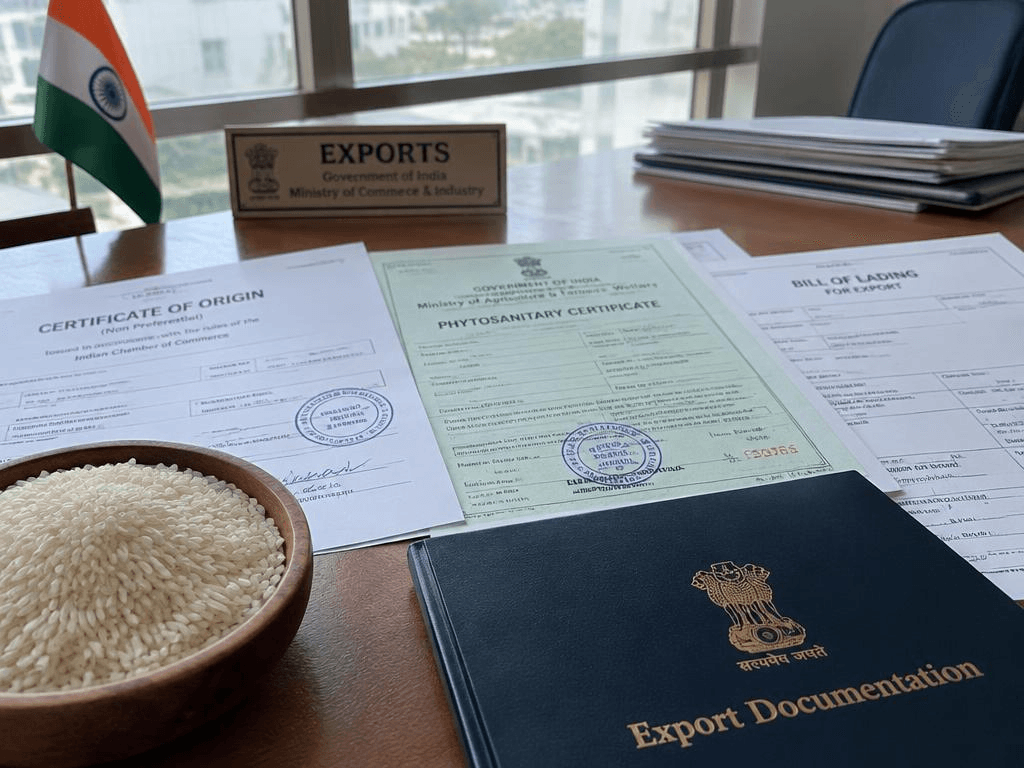
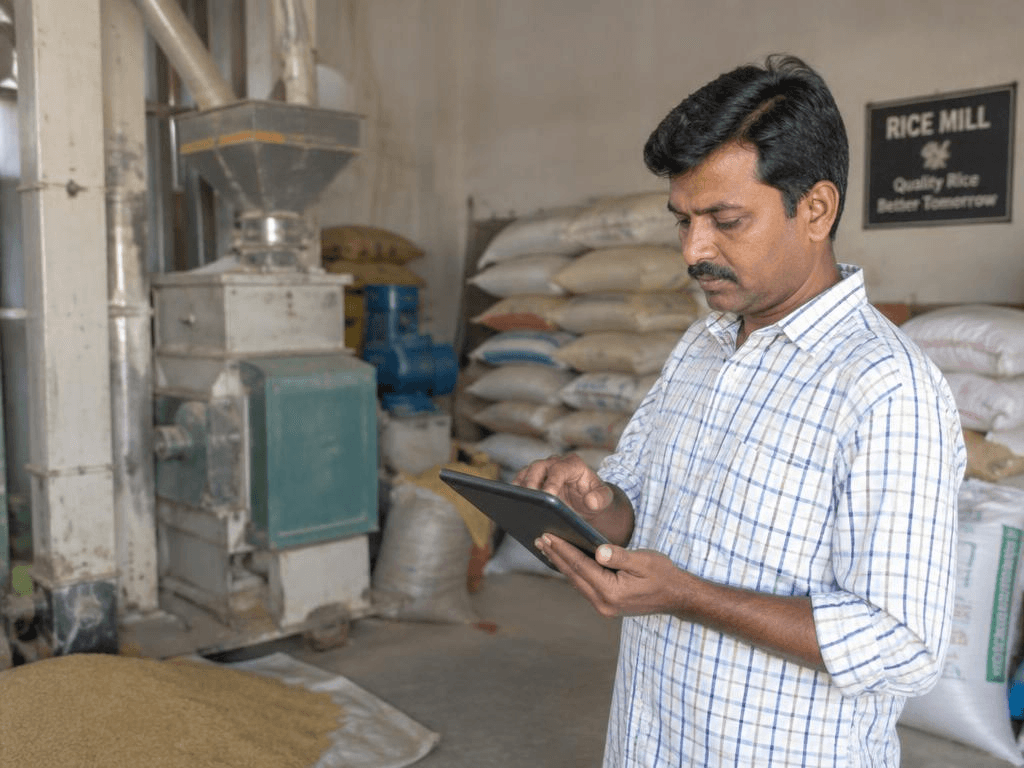
Spreadsheets, WhatsApp approvals, and duplicate entry in export docs are not “free.” They show up as overtime before vessel cut-off, extra demurrage, rework on certificates, and stock written off because moisture or length was wrong in the blend. Mid-sized mills often feel these hits on single shipments — large enough to hurt, too small to trigger a full IT project until something breaks publicly with a buyer.
Where ERP pays back first
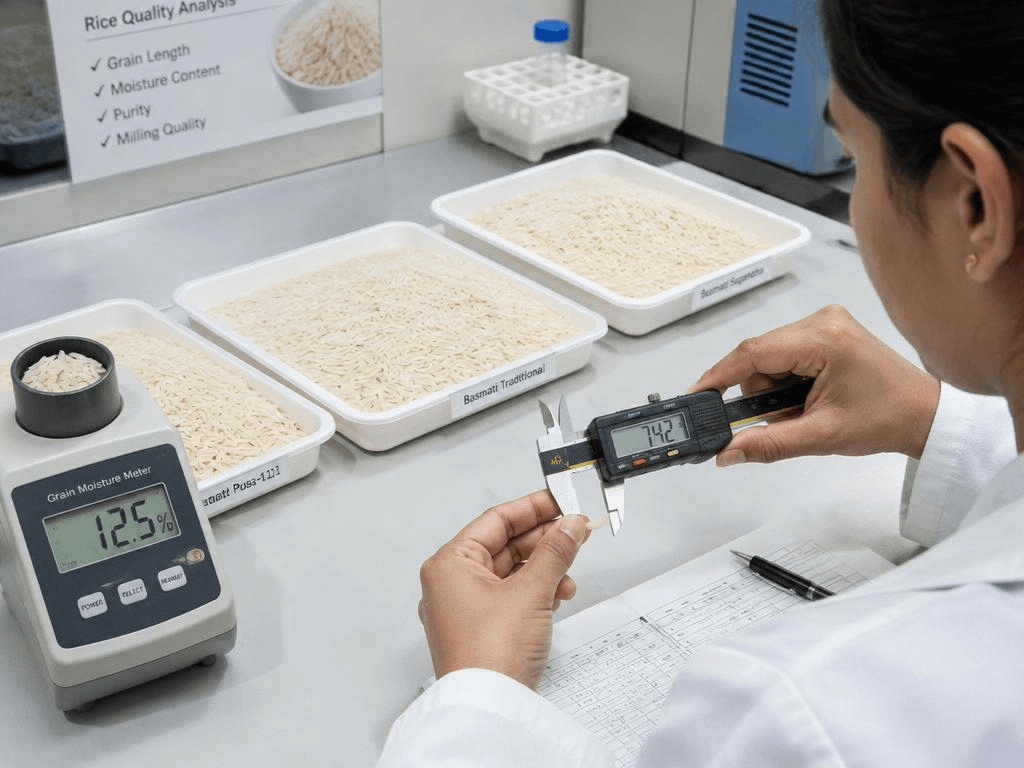
For rice exporters, the fastest returns usually sit in three places: export documentation generated from shipment data instead of retyped, blending decisions tied to live inventory quality parameters, and one view of orders from purchase through dispatch. You do not need every module on day one — but you do need one source of truth before volume grows.
How to evaluate vendors without a six-month RFP
Ask whether the system understands rice-specific flows — blending, reprocessing, export compliance — or whether you will bend your process to a generic template. Run a pilot on one export lane or one plant. Measure hours saved on documentation, blend rework, and month-end reconciliation. If the pilot cannot show numbers in eight weeks, the full rollout will struggle too.
When to wait — and when not to
If you are a single-warehouse domestic mill with no export lane, a full ERP may be early. If you export even two containers a month, the cost of one rejection or one missed certificate often exceeds a year of the right platform. The question is not “ERP or no ERP” — it is whether your current stack can survive the next doubling of shipment count.