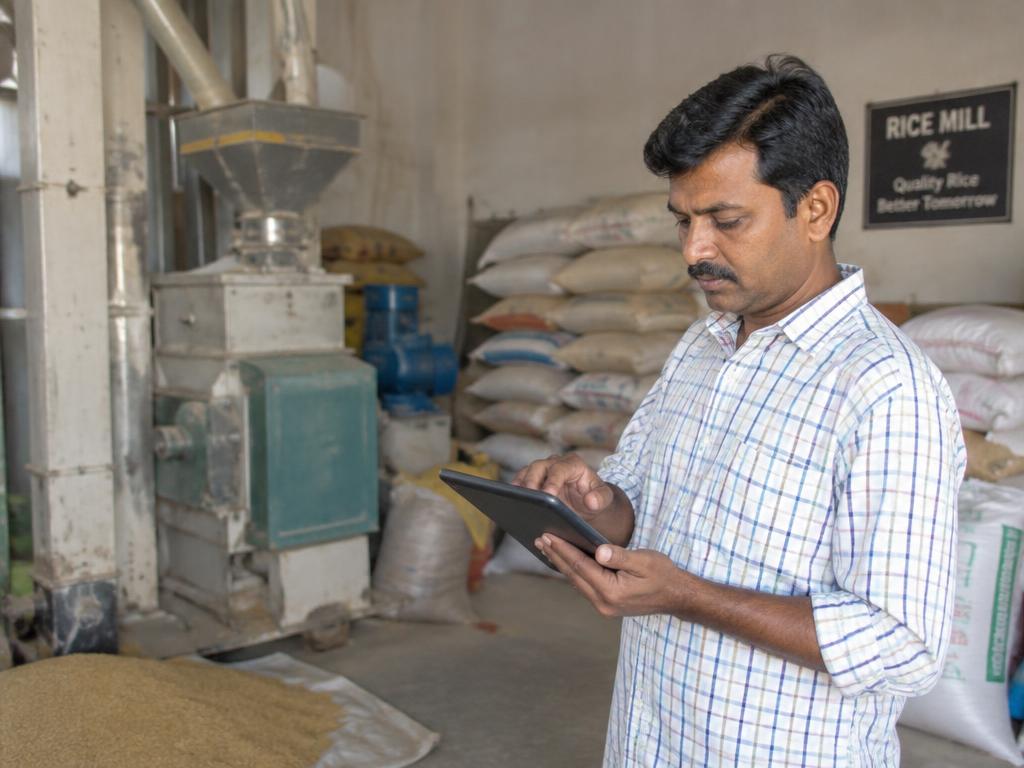
Buyer Education / Comparison Content
Is an ERP Worth It for a Small or Mid-Sized Rice Mill?
This is the honest version of this question, not the version written to talk you into a demo regardless of your answer. Here's what actually changes with an ERP, what it costs, and when it might genuinely be too early.
The Real Question Isn't Size — It's Complexity
"Small mill" isn't really the deciding factor. A single-location mill running one buyer relationship on a notebook and a phone might not need an ERP yet. A mill of the same size juggling multiple raw-material suppliers, several buyer specifications, and its own quality lab is already running into the exact problems ERPs solve; it just hasn't named them that way yet. The signals worth checking for:
- You're coordinating purchase, quality, and dispatch decisions over WhatsApp or phone calls between people who aren't in the same room
- Stock counts on paper or in Excel don't match what's physically in the warehouse by the time someone checks
- Blending decisions depend on one person's judgment, and you've had wastage from a blend that missed spec
- You're spending real time each month reconciling numbers between purchase records, lab results, and dispatch logs that were kept separately
If none of that sounds familiar, an ERP is probably solving a problem you don't have yet — and that's a legitimate answer, not a sales objection to overcome.
What Actually Changes
For a mill where those signals are present, here's what changes concretely, not in ERP-marketing language:
- Purchase orders, gate entry, and inventory updates happen automatically the moment a vehicle unloads, instead of being re-keyed from a paper slip later.
- Blending recommendations come from stock and quality data, not from whoever's on shift that day — AgroBrain's data shows 95%+ blend accuracy and a 12% average reduction in raw-material cost from this alone.
- Documentation — purchase orders, proforma invoices, challans — generate itself from the transaction, rather than being typed up separately.
What It Costs, and What That Buys
AgroBrain is priced as an annual subscription based on facility size, number of users, and which modules you need, not a flat number regardless of scale, which matters for a smaller operation deciding whether the cost fits. A typical rollout takes 4–6 weeks with a dedicated onboarding specialist, and training is designed for teams without prior ERP experience; this isn't software built for an IT department to administer.
When It's Not Yet Worth It
Worth saying directly: if you're running a single facility, one or two buyer relationships, and coordination between purchase and dispatch isn't actually causing errors or wastage you can point to, the ROI case is weaker right now. The honest advice is to revisit the question when you add a second location, a second major buyer with different specs, or when a specific wastage or documentation problem starts costing real money — at that point the calculation changes.
Recommended Articles
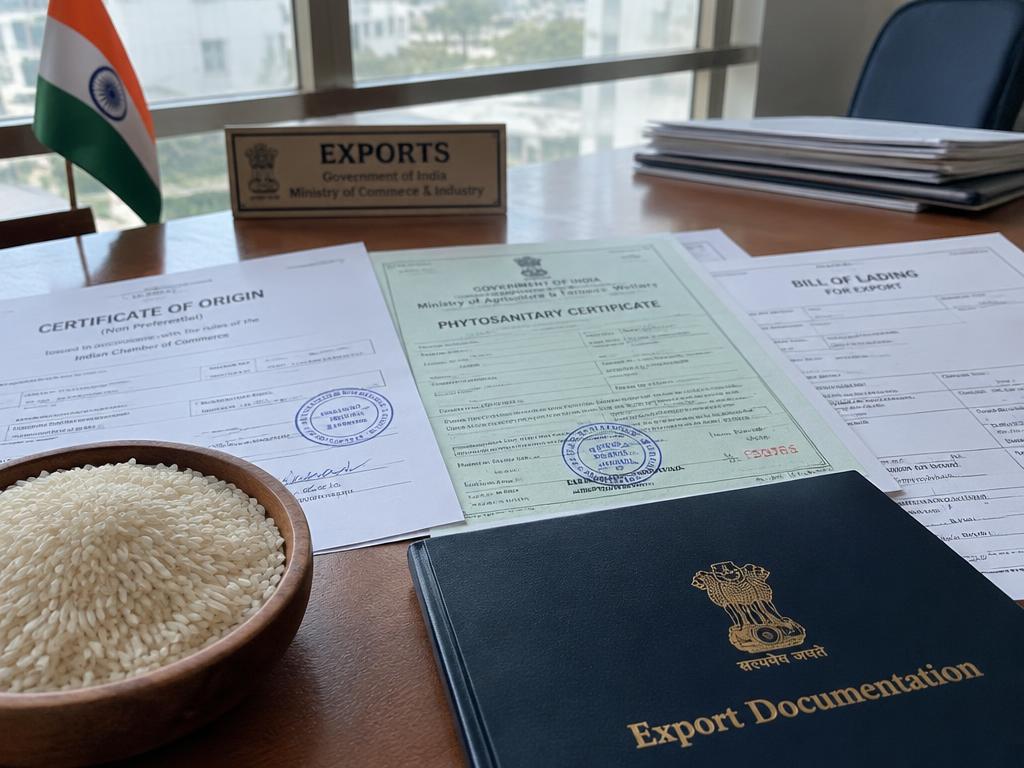
Export & Compliance
The Complete Guide to Rice Export Documentation from India
Every document you need to export rice from India — Certificate of Origin, Phytosanitary Certificate, APEDA registration, and country-specific rules.
Read more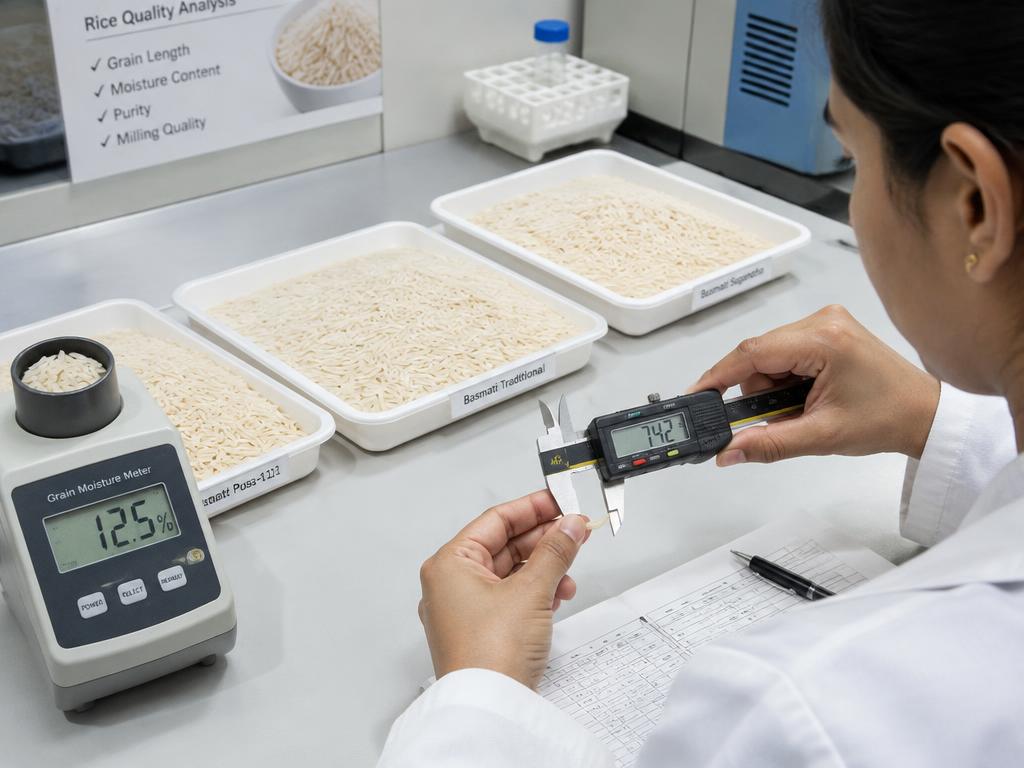
Quality & Blending Education
Rice Quality Parameters Explained — What Moisture, Length, and Aroma Mean for Your Blend
Moisture, grain length, and aroma — what these rice quality parameters actually mean, and why getting them right determines your blend.
Read more