Export & Compliance Guides
The Complete Guide to Rice Export Documentation from India
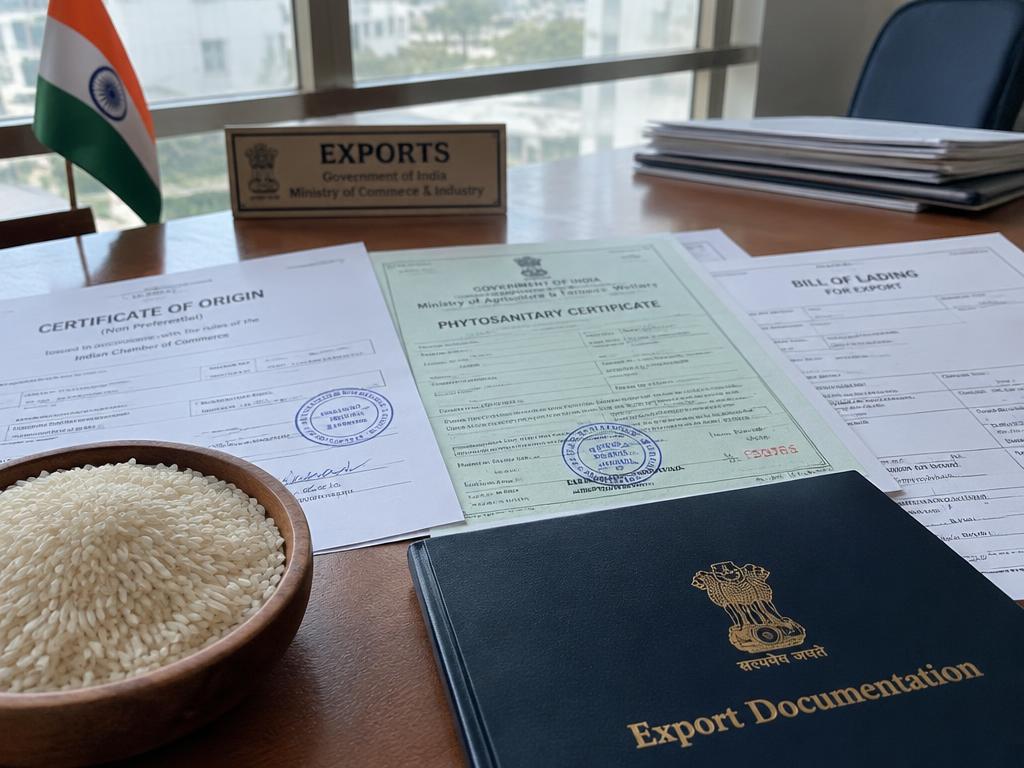
Exporting rice from India isn't one document, it's a stack of them — some required for every shipment and some that only apply depending on which country you're shipping to. Here's what's actually required, grouped so you can tell the difference.
Documents Required for Every Rice Shipment
- Import Export Code (IEC) — issued by DGFT. This is the base license; without it, you can't export anything from India, rice or otherwise.
- Commercial Invoice, Packing List, Bill of Lading, Export Declaration — standard trade documents required for any export shipment, not specific to rice.
- Certificate of Origin — confirms the rice was grown and/or processed in India. Required by nearly every importing country's customs authority.
Registrations and Certificates Specific to Rice
- e-RCMC (APEDA e-Registration Cum Membership Certificate) — required to export any APEDA-scheduled product, which includes rice.
- RCAC (Registration-cum-Allocation Certificate) — APEDA's specific registration for Basmati and non-Basmati rice exporters. This is separate from the general e-RCMC and applies specifically to rice.
- Phytosanitary Certificate — issued by the Directorate of Plant Protection, Quarantine & Storage (DPPQS), confirming the shipment is free of pests and plant disease. This is the certificate almost every importing country requires, regardless of destination.
- FSSAI license — India's food safety authority requires this for any food product leaving the country, rice included.
Requirements That Depend on Your Buyer's Country
This is where exporters most often get caught out. A document set that worked for one shipment doesn't necessarily work for the next buyer.
- European Union: Certificate of Inspection from the Export Inspection Council or Export Inspection Agency, and sometimes Global GAP certification.
- Saudi Arabia: ISO 22000 or HACCP certification, plus an SFDA-accredited supplier certificate.
- USA and China: mill or processing-unit registration with DPPQS.
- Indonesia and Russia: pre-shipment lab testing from APEDA-authorized laboratories.
- Bangladesh and Nepal: registration with DGFT regional authorities at designated land customs stations.
Why This Gets Complicated Fast
None of these documents are hard to obtain individually. What gets exporters is the combination — a shipment to Saudi Arabia needs a different certificate stack than the same rice going to the EU, and every one of those certificates depends on procurement records, quality-test results, and mill registration data staying consistent and available. The exporters who struggle with documentation aren't missing knowledge of what's required; they're missing a system that keeps the underlying records — which lot, which quality test, which mill — linked together so producing any of the above is a lookup, not a scramble.
Recommended Articles
Quality & Blending Education
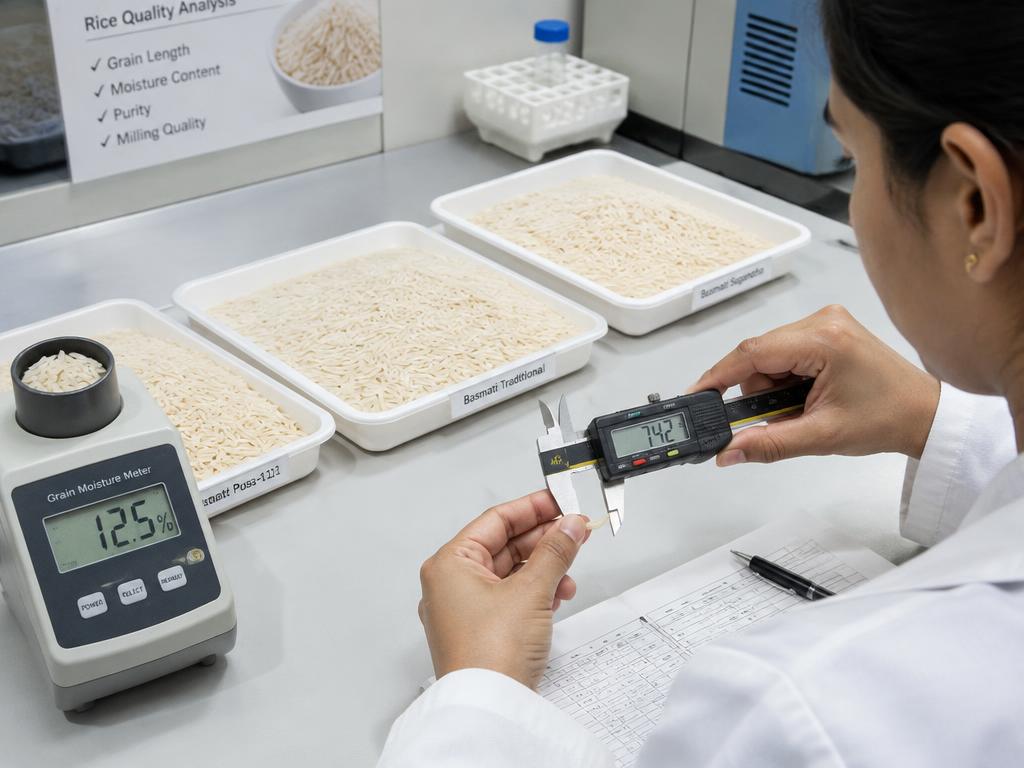
Rice Quality Parameters Explained — What Moisture, Length, and Aroma Mean for Your Blend
Moisture, grain length, and aroma — what these rice quality parameters actually mean, and why getting them right determines your blend.
Read more
Buyer Education
Is an ERP Worth It for a Small or Mid-Sized Rice Mill?
Weighing whether ERP software makes sense for a smaller rice mill — what it actually changes, what it costs, and when it's not yet worth it.
Read more